Organic farming is no longer a niche agricultural practice in India. With increasing awareness about health, food safety, and environmental sustainability, the demand for organic fruits, vegetables, grains, spices, and dairy products is growing rapidly. Consumers are willing to pay premium prices for certified organic products, creating attractive opportunities for farmers and agripreneurs.
If you are planning to start an organic farming venture, having a well-structured business plan is essential. This guide explains how to create an organic farming business plan in India, including investment requirements, crop selection, certifications, marketing strategies, and profit potential.
What is Organic Farming?
Organic farming is a method of agriculture that avoids synthetic fertilizers, pesticides, herbicides, and genetically modified organisms (GMOs). Instead, it relies on natural methods to maintain soil fertility and control pests.
Key Principles of Organic Farming
- Natural soil management
- Crop rotation
- Organic fertilizers
- Biological pest control
- Sustainable water usage
- Environmental conservation
The goal is to produce healthy food while protecting natural resources.
Why Start an Organic Farming Business in India?
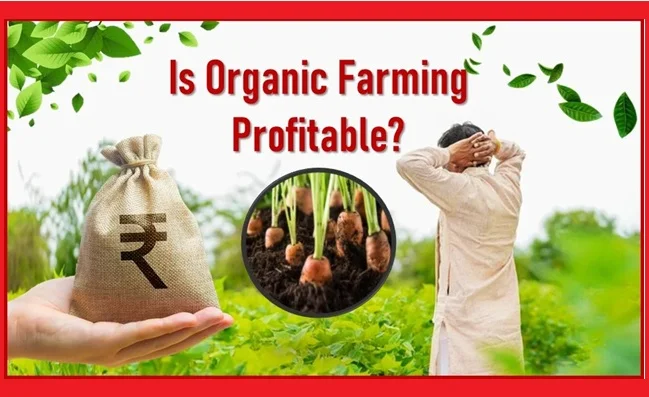
Several factors are driving the growth of organic agriculture in India.
Growing Consumer Demand
Urban consumers increasingly prefer chemical-free food products.
Premium Pricing
Organic products often sell at 20% to 100% higher prices than conventional products.
Government Support
Various schemes support organic farming through subsidies, training, and certification assistance.
Export Opportunities
Organic products from India have strong demand in international markets.
Sustainable Farming
Organic methods improve soil health and long-term farm productivity.
Step 1: Define Your Organic Farming Business Goals
Before investing, identify your business objectives.
Possible Goals
- Organic vegetable farming
- Organic fruit cultivation
- Organic spice farming
- Organic grain production
- Organic dairy farming
- Organic herbal farming
- Export-focused organic farming
Your goals will determine land requirements, investment, and marketing strategies.
Step 2: Conduct Market Research
Understanding demand is crucial for profitability.
Research Areas
- Consumer preferences
- Local demand
- Retail prices
- Competitor products
- Organic food stores
- Wholesale buyers
High-Demand Organic Products in India
| Product Category | Demand Level |
| Vegetables | Very High |
| Fruits | Very High |
| Turmeric | High |
| Spices | High |
| Pulses | High |
| Herbs | Growing |
| Millets | Growing Rapidly |
| Organic Honey | High |
Focus on crops with stable demand and premium pricing.
Step 3: Select Suitable Land
Land quality significantly impacts success.
Ideal Conditions
- Fertile soil
- Good water availability
- Proper drainage
- Easy transportation access
- Low industrial pollution
Land Size Recommendation
| Scale | Land Requirement |
| Small Farm | 1-5 acres |
| Medium Farm | 5-20 acres |
| Large Commercial Farm | 20+ acres |
Beginners should start small and expand gradually.
Step 4: Choose Profitable Organic Crops
Crop selection is one of the most important decisions.
Organic Vegetables
Popular options include:
- Tomato
- Capsicum
- Cucumber
- Spinach
- Okra
- Brinjal
Benefits
- Quick harvest cycles
- Strong urban demand
- Regular cash flow
Organic Fruits
Examples:
- Mango
- Banana
- Papaya
- Guava
- Pomegranate
Benefits
- Premium pricing
- Long-term income potential
Organic Spices
Examples:
- Turmeric
- Ginger
- Black Pepper
- Cardamom
Benefits
- Export demand
- Higher margins
Organic Millets
Examples:
- Ragi
- Bajra
- Jowar
Benefits
- Growing health-conscious consumer base
- Government promotion
Step 5: Prepare a Financial Plan
Every successful business requires clear financial planning.
Estimated Startup Investment
| Expense | Estimated Cost |
| Land Lease/Purchase | Variable |
| Irrigation Setup | ₹50,000 – ₹5 lakh |
| Organic Inputs | ₹25,000 – ₹2 lakh |
| Equipment | ₹50,000 – ₹10 lakh |
| Labor | ₹50,000 – ₹5 lakh |
| Certification | ₹10,000 – ₹1 lakh |
| Marketing | ₹20,000 – ₹2 lakh |
Investment varies depending on scale and crop type.
Step 6: Develop Organic Farming Infrastructure
Essential Infrastructure
- Irrigation systems
- Water storage tanks
- Compost units
- Vermicompost units
- Farm sheds
- Storage facilities
- Fencing
Good infrastructure improves productivity and reduces losses.
Step 7: Organic Certification
Certification increases consumer trust and allows premium pricing.
Benefits of Organic Certification
- Better market access
- Higher selling prices
- Export eligibility
- Brand credibility
Common Certification Options
| Certification | Purpose |
| PGS India | Domestic market |
| NPOP Certification | Domestic and export markets |
Certification requirements may vary depending on the market being targeted.
Step 8: Production Planning
Organic farming requires careful planning.
Crop Rotation
Helps maintain soil fertility and reduce pest problems.
Natural Fertilizers
Use:
- Farmyard manure
- Vermicompost
- Green manure
- Biofertilizers
Pest Management
Use:
- Neem-based products
- Biological control methods
- Natural traps
Preventive measures are usually more effective than corrective actions.
Step 9: Marketing and Sales Strategy
Many farmers focus on production but neglect marketing.
Direct-to-Consumer Sales
Sell directly through:
- Farmers’ markets
- Farm stores
- Subscription boxes
- Local communities
Advantages
- Better margins
- Customer loyalty
Retail Partnerships
Supply products to:
- Organic stores
- Supermarkets
- Health food outlets
Online Sales
Sell through:
- Own website
- Social media
- E-commerce platforms
Online demand for organic products continues to grow.
Revenue and Profit Potential
Profitability depends on crop selection, yield, certification, and marketing.
Approximate Profit Potential
| Farming Type | Expected Profit Margin |
| Organic Vegetables | 20% – 50% |
| Organic Fruits | 25% – 60% |
| Organic Spices | 30% – 70% |
| Organic Herbs | 30% – 65% |
| Organic Millets | 20% – 40% |
Value-added products can significantly improve profits.
Example Organic Farming Business Plan
Organic Vegetable Farm (2 Acres)
Investment
| Item | Cost |
| Irrigation | ₹1,00,000 |
| Seeds | ₹40,000 |
| Organic Inputs | ₹50,000 |
| Labor | ₹1,00,000 |
| Miscellaneous | ₹60,000 |
| Total | ₹3,50,000 |
Estimated Annual Revenue
₹6 lakh to ₹10 lakh depending on crop selection and market prices.
Value Addition Opportunities
Processing can increase profits.
Examples
- Organic spice powders
- Organic fruit jams
- Organic pickles
- Organic herbal teas
- Organic flour products
Value-added products often earn higher margins than raw produce.
Government Support for Organic Farming
Various central and state government initiatives support organic farming.
Common Support Areas
- Farmer training
- Organic certification assistance
- Infrastructure support
- Credit facilities
- Market linkage programs
Farmers should regularly check local agriculture department updates for available schemes.
Challenges in Organic Farming
Lower Initial Yields
Transitioning from conventional farming may temporarily reduce production.
Certification Process
Documentation and inspections require time and effort.
Pest Management
Organic methods demand continuous monitoring.
Market Access
Finding premium-paying buyers can be challenging initially.
Consumer Awareness
Some markets still prioritize price over organic certification.
Tips for Success
Start with High-Demand Crops
Focus on products with proven market demand.
Build Direct Customer Relationships
Direct sales often provide better margins.
Invest in Soil Health
Healthy soil is the foundation of organic farming.
Diversify Crops
Reduce risk through multiple crops.
Create a Brand
Branding helps differentiate products from competitors.
Use Digital Marketing
Social media can help attract urban customers.
Future of Organic Farming in India
The future looks promising due to:
- Rising health awareness
- Growth in organic retail chains
- Increasing exports
- Government support
- Expansion of online grocery platforms
As consumers become more conscious about food quality, demand for certified organic products is expected to continue growing.
Frequently Asked Questions (FAQs)
Is organic farming profitable in India?
Yes. Organic farming can be profitable, especially when farmers focus on high-demand crops, direct sales, and value-added products.
How much land is needed for organic farming?
A profitable organic farm can start with as little as 1 acre, although larger farms offer better economies of scale.
Which organic crops are most profitable?
Turmeric, ginger, herbs, vegetables, fruits, and specialty crops often provide attractive returns.
Is certification mandatory?
Not always, but certification improves credibility and helps access premium markets.
Can organic products be exported?
Yes. Certified organic products have strong demand in international markets.
How long does it take to become certified organic?
The transition period varies depending on land history and certification requirements.
Conclusion
An organic farming business in India offers a promising opportunity for farmers and entrepreneurs seeking sustainable and profitable agriculture. With rising demand for healthy food, government support, and premium pricing opportunities, organic farming can become a successful long-term business.
The key to success lies in choosing the right crops, maintaining soil health, obtaining certification, building strong market connections, and focusing on value-added products. By combining modern business planning with sustainable farming practices, entrepreneurs can create a profitable organic farming enterprise that benefits both consumers and the environment.
Leave a Reply