The grocery wholesale business is one of the oldest and most stable business opportunities in India. Every neighborhood kirana store, supermarket, restaurant, hostel, hotel, and catering business depends on wholesalers for a regular supply of food products and daily essentials.
With India’s growing population, rising urbanization, and expanding retail sector, the demand for wholesale grocery suppliers continues to increase. Whether you want to operate from a local warehouse, supply retailers across a district, or build a large distribution network, the grocery wholesale business offers long-term growth potential.
This guide explains how to start a grocery wholesale business in India, investment requirements, profit margins, licensing, supplier sourcing, and practical tips for success.
What is a Grocery Wholesale Business?
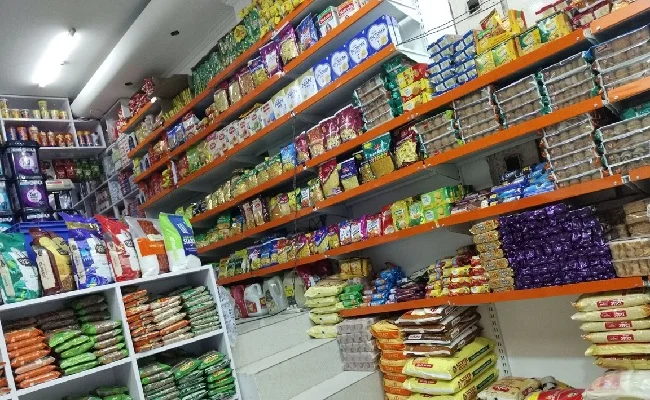
A grocery wholesaler purchases products in bulk directly from manufacturers, distributors, farmers, or FMCG companies and sells them to retailers and institutional buyers.
Typical Customers
- Kirana stores
- Supermarkets
- Mini marts
- Restaurants
- Hotels
- Caterers
- Hostels
- Corporate canteens
- Online grocery sellers
Unlike retailers, wholesalers focus on high-volume sales with lower margins per unit.
Why Start a Grocery Wholesale Business?
The grocery sector remains one of the most recession-resistant industries in India.
Key Advantages
- Consistent demand throughout the year
- Large customer base
- Repeat business opportunities
- Scalable business model
- Multiple product categories
- Strong cash flow potential
People may delay buying electronics or luxury products, but grocery items remain essential purchases.
Understanding the Grocery Supply Chain
The grocery distribution ecosystem typically works as follows:
Manufacturers → Super Stockists → Wholesalers → Retailers → Consumers
Some wholesalers also source products directly from manufacturers to improve margins.
Grocery Products You Can Sell
A successful wholesaler usually stocks a wide range of products.
Staples
- Rice
- Wheat flour (atta)
- Pulses (dal)
- Sugar
- Salt
Edible Oils
- Mustard oil
- Sunflower oil
- Soybean oil
- Groundnut oil
Packaged Foods
- Biscuits
- Noodles
- Snacks
- Breakfast cereals
Beverages
- Tea
- Coffee
- Soft drinks
- Fruit juices
Spices and Condiments
- Turmeric
- Chili powder
- Coriander powder
- Garam masala
Household Products
- Detergents
- Soaps
- Cleaning liquids
- Dishwash products
Personal Care Products
- Shampoo
- Toothpaste
- Face wash
- Hair oil
Having a balanced product mix helps maintain steady sales.
Business Models in Grocery Wholesale
Traditional Grocery Wholesale
Supply local retailers from a warehouse.
Benefits
- Established market
- Lower marketing costs
FMCG Distribution
Partner with major brands and distribute their products.
Benefits
- Brand recognition
- Regular demand
Cash-and-Carry Model
Retailers visit your warehouse and purchase directly.
Benefits
- Lower delivery expenses
- Faster inventory movement
Online Grocery Wholesale
Supply retailers through digital ordering systems.
Benefits
- Wider market reach
- Efficient order management
Comparison of Business Models
| Business Model | Investment | Profit Potential | Complexity |
| Traditional Wholesale | Medium | Good | Low |
| FMCG Distribution | Medium to High | High | Moderate |
| Cash-and-Carry | Medium | Good | Low |
| Online Wholesale | Medium | High | Moderate |
Market Opportunity in India
India’s grocery market is among the largest in the world.
Growth Drivers
- Population growth
- Rising disposable income
- Expansion of retail stores
- Growth of organized retail
- Increasing demand in Tier 2 and Tier 3 cities
- Digital transformation of kirana stores
Even with the growth of e-commerce, local grocery stores continue to dominate many regions.
Investment Required
Investment depends on product categories and inventory levels.
Small-Scale Grocery Wholesale Business
| Expense | Estimated Cost |
| Inventory | ₹5 lakh – ₹20 lakh |
| Warehouse Rent | ₹50,000 – ₹3 lakh |
| Licenses & Registration | ₹20,000 – ₹1 lakh |
| Delivery Vehicle | ₹2 lakh – ₹8 lakh |
| Working Capital | ₹2 lakh – ₹10 lakh |
Total Investment
₹10 lakh to ₹40 lakh approximately.
Medium and Large Wholesale Operations
Investment may range from ₹50 lakh to several crores depending on territory coverage and inventory size.
Choosing the Right Location
Location can significantly affect business performance.
Ideal Warehouse Features
- Easy road connectivity
- Access to retail markets
- Sufficient storage space
- Parking and loading facilities
- Expansion potential
Industrial areas and wholesale market zones are often preferred.
Licenses and Registrations Required
GST Registration
Mandatory for most wholesale businesses.
FSSAI License
Required for food-related products.
Shop and Establishment Registration
Applicable in many states.
Udyam Registration
Useful for MSME benefits.
Trade License
May be required depending on local regulations.
How to Find Suppliers
Reliable suppliers are the backbone of a successful wholesale business.
Sources of Supply
FMCG Companies
Direct dealership opportunities may be available.
Super Stockists
Common source for branded products.
Agricultural Markets
Useful for grains, pulses, and spices.
Local Manufacturers
Can offer better margins.
Wholesale Markets
Ideal for sourcing multiple product categories.
Inventory Management
Proper inventory management directly impacts profitability.
Fast-Moving Products
Always maintain adequate stock of:
- Rice
- Atta
- Edible oils
- Sugar
- Popular FMCG brands
Slow-Moving Products
Monitor carefully to avoid capital blockage.
Inventory Tips
- Use inventory software
- Track expiry dates
- Analyze sales trends
- Maintain reorder levels
Profit Margin in Grocery Wholesale Business
Margins vary significantly by product category.
| Product Category | Approximate Margin |
| Rice & Grains | 3% – 10% |
| Pulses | 5% – 12% |
| Edible Oils | 2% – 8% |
| FMCG Products | 4% – 15% |
| Spices | 10% – 25% |
| Private Label Products | 15% – 40% |
High-volume sales often compensate for lower margins on staple products.
Example Profit Calculation
Suppose a wholesaler generates monthly sales of ₹25 lakh.
| Particulars | Amount |
| Monthly Revenue | ₹25,00,000 |
| Average Gross Margin (10%) | ₹2,50,000 |
| Operating Expenses | ₹1,00,000 |
| Net Profit | ₹1,50,000 |
Actual profitability depends on product mix and operational efficiency.
Building a Retailer Network
The strength of your customer network determines long-term growth.
Target Customers
Kirana Stores
The backbone of India’s retail sector.
Supermarkets
Require larger quantities and consistent supply.
Restaurants
Regular bulk purchasers of food products.
Hotels and Caterers
Strong demand for staples and packaged goods.
Institutions
Schools, hostels, and corporate cafeterias can become long-term clients.
Marketing Strategies
Personal Sales Visits
Still one of the most effective methods for acquiring retailers.
Benefits
- Relationship building
- Better trust
- Higher conversion rates
WhatsApp Ordering
Many wholesalers now manage daily orders through WhatsApp.
Advantages
- Fast communication
- Easy catalog sharing
- Lower operational costs
Retailer Loyalty Programs
Offer:
- Discounts
- Credit facilities
- Volume incentives
These programs encourage repeat purchases.
Digital Presence
A professional website and social media presence can help attract larger buyers.
Common Challenges
High Competition
Most markets already have established wholesalers.
Solution
Differentiate through service quality and product availability.
Working Capital Pressure
Inventory requires significant investment.
Solution
Maintain healthy cash flow and credit control.
Expiry Management
Food products have limited shelf life.
Solution
Monitor stock movement regularly.
Price Fluctuations
Agricultural commodities often experience seasonal price changes.
Solution
Diversify inventory and maintain supplier relationships.
How to Scale the Business
Expand Product Categories
Increase average order value by offering more products.
Become a Distributor
Partner directly with FMCG companies.
Open Additional Warehouses
Expand into neighboring districts.
Develop a B2B Ordering App
Simplify retailer ordering processes.
Launch Private Label Products
Create higher-margin opportunities.
Future Trends in Grocery Wholesale
Digitization of Kirana Stores
More retailers are adopting digital ordering systems.
Growth of Private Labels
Wholesalers are increasingly launching their own brands.
Rising Demand for Healthy Foods
Products such as millets, organic foods, and healthy snacks are gaining popularity.
Expansion of Tier 2 and Tier 3 Markets
These markets present strong growth opportunities.
Technology Adoption
Inventory software and B2B apps are becoming standard tools.
Tips for Success
Focus on Fast-Moving Products
Keep inventory turning quickly.
Build Strong Supplier Relationships
Better supply terms improve profitability.
Maintain Competitive Pricing
Price sensitivity remains high in wholesale markets.
Offer Reliable Delivery
Timely deliveries help retain customers.
Manage Credit Carefully
Uncontrolled credit can create cash flow problems.
Invest in Technology
Inventory and billing software improve efficiency.
Frequently Asked Questions (FAQs)
Is the grocery wholesale business profitable in India?
Yes. While margins are often modest, high sales volumes and repeat demand make it a stable and profitable business.
How much investment is required?
A small grocery wholesale business may require ₹10 lakh to ₹40 lakh, while larger operations need significantly more capital.
What is the average profit margin?
Margins generally range from 3% to 25%, depending on product categories and sourcing efficiency.
Do I need an FSSAI license?
Yes, if you deal with food products, FSSAI registration or licensing is typically required.
Can I start without a warehouse?
A warehouse is generally necessary for wholesale operations, although some businesses begin with smaller storage facilities and expand later.
Which products offer the highest margins?
Spices, dry fruits, specialty foods, and private-label products often provide higher margins than staple commodities.
Conclusion
The grocery wholesale business in India remains one of the most reliable and scalable business opportunities. With continuous demand, a vast customer base, and opportunities to expand into FMCG distribution, private labels, and digital commerce, the sector offers strong long-term potential.
Success depends on efficient inventory management, strong supplier relationships, reliable delivery systems, and building trust with retailers. Entrepreneurs who focus on operational efficiency and customer service can create a sustainable and profitable grocery wholesale business in India’s ever-growing retail ecosystem.
Leave a Reply