Starting a fitness journey can feel overwhelming, especially if you have never exercised regularly before. Many people want to improve their health but avoid gyms due to lack of time, high membership costs, or busy schedules. The good news is that you can achieve significant fitness improvements right from your home with simple beginner-friendly exercises.
This guide explains the best home exercises for beginners, their benefits, precautions, and practical tips to help you build a healthy fitness routine.
Why Is Physical Activity Important?
Modern lifestyles often involve long hours of sitting, screen time, and reduced physical movement. Lack of exercise can increase the risk of:
- Weight gain and obesity
- Type 2 diabetes
- High blood pressure
- Heart disease
- Joint stiffness
- Poor posture
- Stress and anxiety
- Low energy levels
Regular exercise helps maintain overall physical and mental well-being and improves quality of life.
Signs That Your Body Needs More Physical Activity
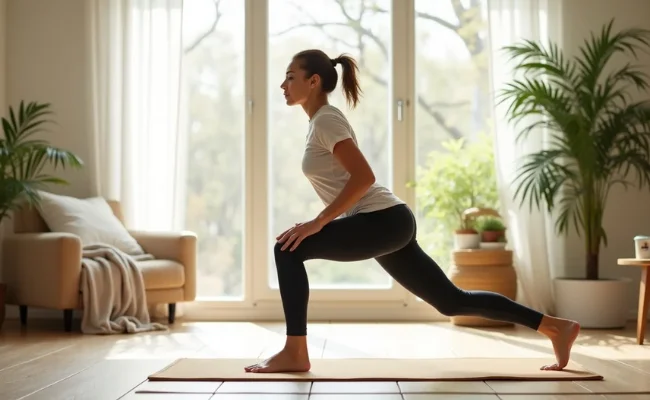
You may benefit from regular exercise if you experience:
- Frequent tiredness
- Weight gain
- Shortness of breath during simple activities
- Back or neck pain from prolonged sitting
- Poor sleep quality
- Reduced flexibility
- Stress and mood swings
- Weak muscle strength
Starting with simple home workouts can help address many of these issues.
Benefits of Exercising at Home
Home workouts offer several advantages:
| Benefit | Description |
| Cost-effective | No gym membership required |
| Convenient | Exercise anytime |
| Time-saving | No travel needed |
| Beginner-friendly | Learn at your own pace |
| Flexible | Suitable for all age groups |
| Privacy | Comfortable environment for beginners |
How Much Exercise Do Beginners Need?
Health experts generally recommend:
- At least 150 minutes of moderate physical activity per week
- Muscle-strengthening activities 2–3 times weekly
- Daily stretching and mobility exercises
For beginners, even 15–20 minutes per day is a great start.
Best Exercises for Beginners at Home
- Walking in Place
Walking is one of the safest and easiest exercises.
How to Do It
- Stand straight.
- March in place.
- Swing your arms naturally.
- Continue for 5–10 minutes.
Benefits
- Improves cardiovascular health
- Burns calories
- Increases stamina
- Suitable for all ages
Precautions
- Wear comfortable shoes.
- Maintain proper posture.
- Bodyweight Squats
Squats strengthen the lower body and improve mobility.
How to Do It
- Stand with feet shoulder-width apart.
- Bend knees and lower hips.
- Keep your chest upright.
- Return to standing position.
Benefits
- Strengthens legs and glutes
- Improves balance
- Enhances mobility
Beginner Target
- 2 sets of 10 repetitions
Precautions
- Avoid rounding your back.
- Keep knees aligned with toes.
- Wall Push-Ups
Wall push-ups are easier than traditional push-ups and ideal for beginners.
How to Do It
- Stand facing a wall.
- Place palms on the wall.
- Bend elbows and move toward the wall.
- Push back to the starting position.
Benefits
- Strengthens chest and shoulders
- Improves upper-body strength
- Easy on joints
Beginner Target
- 2 sets of 10–15 repetitions
- Glute Bridges
This exercise strengthens the hips, lower back, and core.
How to Do It
- Lie on your back.
- Bend knees.
- Lift hips toward the ceiling.
- Hold briefly and lower.
Benefits
- Improves posture
- Strengthens lower back
- Activates core muscles
Beginner Target
- 2 sets of 12 repetitions
- Step-Ups
Use a sturdy staircase step or low platform.
How to Do It
- Step up with one foot.
- Bring the other foot up.
- Step down carefully.
Benefits
- Improves cardiovascular fitness
- Strengthens legs
- Enhances balance
Beginner Target
- 10 repetitions per leg
- Standing Knee Raises
A simple exercise that targets the core.
How to Do It
- Stand straight.
- Lift one knee toward your chest.
- Alternate sides.
Benefits
- Improves balance
- Strengthens abdominal muscles
- Increases mobility
- Plank
The plank is excellent for core stability.
How to Do It
- Rest on forearms and toes.
- Keep your body in a straight line.
- Hold the position.
Benefits
- Strengthens core
- Improves posture
- Reduces lower back strain
Beginner Target
- Hold for 15–20 seconds
- Jumping Jacks
This is a simple cardio exercise.
How to Do It
- Jump while spreading arms and legs.
- Return to starting position.
Benefits
- Improves heart health
- Burns calories
- Enhances coordination
Precautions
People with knee issues can perform low-impact versions.
- Bird Dog Exercise
A beginner-friendly exercise for stability and balance.
How to Do It
- Get on hands and knees.
- Extend opposite arm and leg.
- Hold briefly.
- Switch sides.
Benefits
- Improves balance
- Strengthens back muscles
- Enhances core stability
- Stretching Exercises
Stretching should be included before and after workouts.
Effective Beginner Stretches
- Neck stretches
- Shoulder rolls
- Hamstring stretches
- Calf stretches
- Cat-cow stretch
Benefits
- Improves flexibility
- Reduces muscle tightness
- Supports recovery
Sample 20-Minute Home Workout for Beginners
| Exercise | Duration |
| March in Place | 3 minutes |
| Squats | 2 sets |
| Wall Push-Ups | 2 sets |
| Step-Ups | 2 minutes |
| Glute Bridges | 2 sets |
| Standing Knee Raises | 2 minutes |
| Plank | 20–30 seconds |
| Stretching | 5 minutes |
Perform this routine 3–5 days per week.
Common Mistakes Beginners Should Avoid
- Doing Too Much Too Soon
Starting aggressively can lead to injuries and burnout.
- Skipping Warm-Up
Always spend 5 minutes warming up before exercise.
- Ignoring Recovery
Rest days are essential for muscle recovery.
- Poor Form
Correct technique is more important than speed.
- Unrealistic Expectations
Fitness improvements take time and consistency.
Safety Precautions
Before beginning any exercise routine:
- Consult a doctor if you have chronic health conditions.
- Stay hydrated.
- Wear comfortable clothing.
- Exercise in a well-ventilated area.
- Stop if you experience dizziness, chest pain, or severe discomfort.
- Gradually increase workout intensity.
Practical Health Tips for Indian Readers
Focus on Daily Movement
Apart from workouts:
- Use stairs instead of lifts.
- Walk after meals.
- Reduce prolonged sitting.
Eat Balanced Meals
Include:
- Dal and pulses
- Milk and dairy products
- Fruits and vegetables
- Whole grains
- Nuts and seeds
Prioritize Protein
Good Indian protein sources include:
- Paneer
- Eggs
- Soya chunks
- Lentils
- Chickpeas
- Fish and chicken
Sleep Well
Aim for 7–9 hours of quality sleep daily for proper recovery.
When Will You See Results?
With regular exercise and healthy eating:
| Time Period | Possible Results |
| 2–4 Weeks | Improved energy levels |
| 4–8 Weeks | Better stamina and mobility |
| 8–12 Weeks | Visible strength improvements |
| 3–6 Months | Significant fitness and body composition changes |
Consistency is more important than intensity.
Frequently Asked Questions (FAQs)
Can beginners exercise every day?
Yes, light-to-moderate exercise can be performed daily. Include rest or recovery days when needed.
What is the best exercise for weight loss at home?
A combination of walking, squats, step-ups, and jumping jacks along with a healthy diet can support weight loss.
How long should beginners work out?
Start with 15–20 minutes and gradually increase to 30–45 minutes.
Do I need equipment for home workouts?
No. Most beginner exercises use body weight and require no equipment.
Is walking enough for fitness?
Walking is excellent for health, but combining it with strength exercises provides better overall fitness.
Can older adults perform these exercises?
Most exercises can be modified for older adults, but medical guidance is recommended if there are existing health concerns.
Conclusion
The best exercises for beginners at home are simple, safe, and effective. Activities such as walking in place, squats, wall push-ups, glute bridges, step-ups, planks, and stretching can significantly improve fitness without requiring expensive equipment or gym memberships.
For Indian beginners, the key to success is consistency, gradual progress, proper nutrition, adequate hydration, and sufficient sleep. Even 20 minutes of daily exercise can improve strength, stamina, heart health, and overall well-being over time. Start small, stay consistent, and make physical activity a permanent part of your lifestyle.
Leave a Reply