Hemoglobin is a vital protein found in red blood cells that carries oxygen from your lungs to different parts of the body. When hemoglobin levels are low, your body may not receive enough oxygen, leading to fatigue, weakness, and other health issues.
Low hemoglobin is a common problem in India, especially among women, children, adolescents, and pregnant women. Fortunately, in many cases, hemoglobin levels can be improved naturally through proper nutrition, lifestyle changes, and addressing underlying causes.
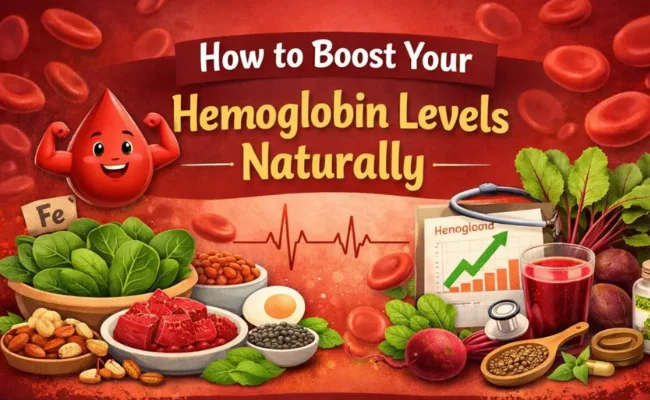
This evidence-based guide explains how to increase hemoglobin naturally, the causes and symptoms of low hemoglobin, the best foods to eat, precautions to follow, and practical health tips for Indian families.
What Is Hemoglobin?
Hemoglobin is an iron-rich protein present inside red blood cells. Its primary function is to:
- Carry oxygen from the lungs to body tissues
- Transport carbon dioxide back to the lungs
- Support energy production
- Maintain healthy organ function
When hemoglobin levels fall below normal, a person may develop anemia.
Normal Hemoglobin Levels
| Category | Normal Hemoglobin Range |
| Adult Men | 13.5–17.5 g/dL |
| Adult Women | 12.0–15.5 g/dL |
| Pregnant Women | Generally above 11 g/dL |
| Children | Varies by age |
Reference ranges may differ slightly among laboratories.
Causes of Low Hemoglobin
Several factors can reduce hemoglobin levels.
- Iron Deficiency
The most common cause of low hemoglobin.
Reasons include:
- Poor dietary intake
- Increased requirements during pregnancy
- Heavy menstrual bleeding
- Blood loss
- Vitamin B12 Deficiency
Vitamin B12 is essential for red blood cell production.
Common among:
- Strict vegetarians
- Elderly individuals
- People with digestive disorders
- Folate Deficiency
Folate helps produce healthy red blood cells.
Low intake may result from:
- Poor diet
- Excessive alcohol consumption
- Certain medications
- Chronic Diseases
Conditions such as:
- Kidney disease
- Cancer
- Autoimmune disorders
- Chronic infections
can reduce hemoglobin production.
- Blood Loss
Hemoglobin may decrease due to:
- Surgery
- Injuries
- Stomach ulcers
- Piles
- Heavy periods
- Parasitic Infections
Worm infestations are still a concern in some areas and can contribute to anemia.
Symptoms of Low Hemoglobin
People with low hemoglobin may experience:
- Constant fatigue
- Weakness
- Pale skin
- Shortness of breath
- Dizziness
- Frequent headaches
- Cold hands and feet
- Fast heartbeat
- Difficulty concentrating
- Hair fall
Severe anemia may cause chest pain or fainting and requires medical attention.
Why Increasing Hemoglobin Is Important
Healthy hemoglobin levels support:
- Better oxygen supply
- Increased energy
- Improved immunity
- Better physical performance
- Healthy pregnancy outcomes
- Improved brain function
- Faster recovery from illness
Best Natural Ways to Increase Hemoglobin
- Eat Iron-Rich Foods
Iron is the primary nutrient required for hemoglobin production.
Vegetarian Sources
- Spinach (Palak)
- Amaranth leaves (Chaulai)
- Methi leaves
- Beetroot
- Jaggery (Gur)
- Sesame seeds (Til)
- Pumpkin seeds
- Soybeans
- Rajma
- Chana
- Black gram (Urad dal)
- Lentils
Non-Vegetarian Sources
- Chicken liver
- Fish
- Eggs
- Lean meat
Indian Tip
Include a bowl of dal, green vegetables, and sprouts regularly in your meals.
- Increase Vitamin C Intake
Vitamin C helps the body absorb iron more effectively.
Best Sources
- Amla
- Oranges
- Lemon
- Guava
- Kiwi
- Tomatoes
- Bell peppers
Practical Tip
Add lemon juice to dal, salads, or green vegetables to improve iron absorption.
- Consume Folate-Rich Foods
Folate supports red blood cell formation.
Sources
- Green leafy vegetables
- Lentils
- Chickpeas
- Peanuts
- Avocado
- Beans
Regular consumption can help maintain healthy hemoglobin levels.
- Get Enough Vitamin B12
Vitamin B12 deficiency is increasingly common.
Sources
- Milk
- Curd
- Paneer
- Eggs
- Fish
- Chicken
Vegetarians may require supplementation if levels are low.
- Include Iron-Fortified Foods
Many foods are fortified with iron.
Examples include:
- Fortified breakfast cereals
- Fortified wheat flour
- Certain packaged foods
Check nutrition labels before purchasing.
- Eat Dates and Raisins
Dates and raisins provide:
- Iron
- Copper
- Vitamins
- Natural sugars for energy
A small daily portion can be part of a balanced diet.
- Include Jaggery in Moderation
Jaggery contains small amounts of iron and minerals.
Popular Indian options:
- Gur chana
- Til-gur laddoo
- Peanut jaggery bars
Remember that jaggery is still a form of sugar and should be consumed moderately.
- Try Sprouts Regularly
Sprouting improves nutrient availability.
Healthy options include:
- Moong sprouts
- Chana sprouts
- Mixed sprouts salad
These provide iron, folate, and protein.
- Cook in Iron Utensils
Cooking acidic foods such as tomato-based dishes in iron cookware may slightly increase the iron content of food.
This traditional practice may offer additional benefits when combined with a nutritious diet.
- Treat Underlying Health Problems
If low hemoglobin is caused by:
- Heavy menstrual bleeding
- Worm infections
- Digestive disorders
- Kidney disease
medical treatment is essential.
Diet alone may not solve the problem.
Foods That May Reduce Iron Absorption
Certain foods and beverages can interfere with iron absorption if consumed immediately with iron-rich meals.
Limit Around Meals
- Tea
- Coffee
- Excess calcium supplements
- Carbonated soft drinks
Try consuming them 1–2 hours after meals.
Sample Indian Diet Plan for Improving Hemoglobin
| Meal | Food Options |
| Morning | Warm water with lemon, soaked raisins |
| Breakfast | Vegetable poha with peanuts, sprouts, guava |
| Mid-Morning | Amla or orange |
| Lunch | Dal, chapati, palak sabzi, salad with lemon |
| Evening | Roasted chana and jaggery |
| Dinner | Rajma or chole, vegetables, whole wheat roti |
| Bedtime | Milk (if tolerated) |
Can Exercise Help Increase Hemoglobin?
Moderate exercise supports overall health and circulation.
Good options include:
- Walking
- Cycling
- Yoga
- Light strength training
However, severe anemia may require rest and medical supervision before engaging in intense physical activity.
Common Myths About Increasing Hemoglobin
Myth 1: Beetroot Alone Cures Anemia
Beetroot contains nutrients but is not a replacement for iron-rich foods or medical treatment.
Myth 2: Jaggery Is Enough
Jaggery may contribute small amounts of iron but cannot treat moderate or severe anemia alone.
Myth 3: Iron Supplements Should Be Taken Without Testing
Taking supplements unnecessarily may cause side effects and should be guided by a healthcare professional.
Precautions
- Get blood tests if symptoms persist.
- Avoid self-medicating with high-dose iron supplements.
- Pregnant women should follow their doctor’s recommendations.
- Monitor hemoglobin levels regularly if you have a history of anemia.
- Seek medical advice if fatigue or breathlessness worsens.
When to See a Doctor
Consult a healthcare professional if you experience:
- Severe fatigue
- Shortness of breath
- Recurrent dizziness
- Heavy menstrual bleeding
- Blood in stool
- Persistent low hemoglobin despite dietary improvements
These symptoms may indicate an underlying medical condition.
Practical Health Tips for Indian Readers
Include Greens Daily
Try adding:
- Palak
- Methi
- Bathua
- Chaulai
to your regular meals.
Combine Iron and Vitamin C
Examples:
- Palak + lemon
- Sprouts + tomato
- Dal + amla
Avoid Tea Immediately After Meals
Wait at least one hour after eating.
Deworm Regularly When Recommended
Follow medical advice regarding deworming, especially for children.
Focus on a Balanced Diet
No single food can dramatically increase hemoglobin. Consistency matters more than consuming one “superfood.”
Frequently Asked Questions (FAQs)
How long does it take to increase hemoglobin naturally?
Mild deficiencies may improve within a few weeks, while significant improvements often take 2–3 months or longer depending on the cause.
Which fruit is best for increasing hemoglobin?
Amla, guava, oranges, and pomegranate are beneficial because they provide vitamin C and other nutrients that support iron absorption.
Is pomegranate good for hemoglobin?
Pomegranate contains vitamins and antioxidants and can be part of a healthy diet, but it is not a standalone treatment for anemia.
Can vegetarians maintain healthy hemoglobin levels?
Yes. A well-planned vegetarian diet rich in lentils, beans, leafy greens, seeds, nuts, and vitamin C-rich foods can support healthy hemoglobin levels.
Does drinking milk increase hemoglobin?
Milk provides protein and vitamin B12 but is not a rich source of iron.
Can low hemoglobin cause hair fall?
Yes. Iron deficiency and anemia can contribute to increased hair shedding and poor hair health.
Conclusion
Increasing hemoglobin naturally requires a combination of iron-rich foods, vitamin C intake, adequate folate and vitamin B12, healthy lifestyle habits, and treatment of any underlying medical conditions. For Indian households, simple dietary additions such as green leafy vegetables, lentils, sprouts, amla, citrus fruits, and protein-rich foods can make a meaningful difference over time.
While natural methods are highly effective for mild deficiencies, persistent low hemoglobin, severe symptoms, or anemia caused by medical conditions should always be evaluated by a qualified healthcare professional. Consistent nutrition, regular health check-ups, and timely treatment remain the most effective strategies for maintaining healthy hemoglobin levels and overall well-being.
Leave a Reply