South Indian cuisine is renowned for its nutritious, flavorful, and diverse breakfast options. From fluffy idlis and crispy dosas to wholesome upma and protein-rich pesarattu, South Indian breakfasts are loved across India for their taste, digestibility, and health benefits.
A typical South Indian breakfast combines carbohydrates, protein, fiber, healthy fats, and essential micronutrients, making it an excellent way to start the day. Many traditional recipes also use fermented ingredients, which support gut health and improve nutrient absorption.
This comprehensive guide explores the best South Indian breakfast recipes, including ingredients, nutritional benefits, preparation tips, variations, FAQs, and practical advice for Indian families.
Why South Indian Breakfast Is Considered Healthy
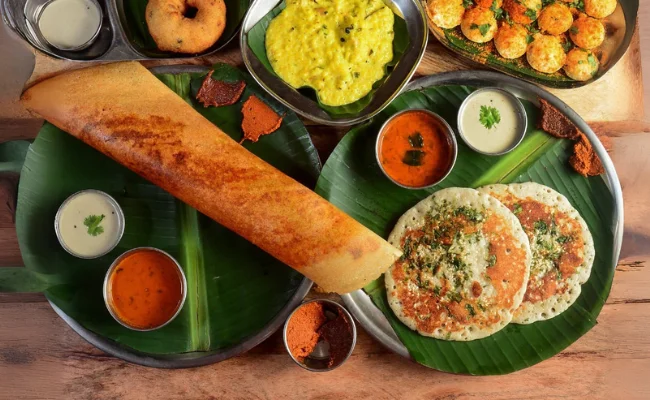
Traditional South Indian breakfasts offer several health benefits:
- Rich in complex carbohydrates
- Good source of plant-based protein
- Easy to digest
- Often fermented for better gut health
- Includes healthy spices and herbs
- Can be customized for weight loss and fitness goals
Key Nutrients Found in South Indian Breakfasts
| Nutrient | Benefits | Common Sources |
| Protein | Growth and repair | Lentils, dal, sprouts |
| Fiber | Better digestion | Vegetables, millets |
| Calcium | Bone health | Ragi, curd |
| Iron | Healthy blood circulation | Millets, legumes |
| Probiotics | Gut health | Fermented batters |
- Idli
One of the healthiest Indian breakfast options.
Ingredients
- Rice
- Urad dal
- Fenugreek seeds
- Salt
Method
- Soak rice and dal separately.
- Grind into a smooth batter.
- Ferment overnight.
- Steam in idli molds.
Nutritional Benefits
- Low-fat breakfast
- Easy to digest
- Fermented for gut health
- Provides sustained energy
Variations
- Ragi idli
- Millet idli
- Vegetable idli
- Kanchipuram idli
- Dosa
A versatile and popular South Indian breakfast.
Ingredients
- Rice
- Urad dal
- Salt
Method
- Prepare fermented batter.
- Spread thinly on a hot tawa.
- Cook until crisp.
Nutritional Benefits
- Provides carbohydrates
- Fermented for digestive benefits
- Can be paired with protein-rich sides
Variations
- Masala dosa
- Ragi dosa
- Set dosa
- Neer dosa
- Onion dosa
- Upma
A quick and filling breakfast recipe.
Ingredients
- Semolina (rava)
- Onion
- Green peas
- Carrot
- Curry leaves
- Mustard seeds
Nutritional Benefits
- Provides energy
- Vegetable-rich
- Easy to prepare
Variations
- Vegetable upma
- Millet upma
- Oats upma
- Vermicelli upma
- Pongal
A comforting breakfast dish from Tamil Nadu.
Ingredients
- Rice
- Moong dal
- Black pepper
- Cumin
- Ginger
- Ghee
Nutritional Benefits
- Good protein-carbohydrate balance
- Easy digestion
- Suitable for all age groups
Variations
- Ven Pongal
- Millet Pongal
- Vegetable Pongal
- Pesarattu
A protein-rich Andhra specialty.
Ingredients
- Green moong dal
- Ginger
- Green chillies
- Cumin
Method
- Soak moong dal.
- Grind into batter.
- Cook like dosa.
Nutritional Benefits
- High protein
- High fiber
- Weight-loss friendly
Variations
- Onion pesarattu
- Upma pesarattu
- Mixed dal pesarattu
- Uttapam
A thick and flavorful dosa variation.
Ingredients
- Dosa batter
- Onion
- Tomato
- Capsicum
- Coriander
Nutritional Benefits
- Contains vegetables
- Good source of carbohydrates
- Fermented for digestive health
Variations
- Onion uttapam
- Cheese uttapam
- Vegetable uttapam
- Ragi Dosa
A calcium-rich breakfast option.
Ingredients
- Ragi flour
- Rice flour
- Curd
- Onion
Nutritional Benefits
- Rich in calcium
- High fiber
- Supports bone health
Variations
- Instant ragi dosa
- Vegetable ragi dosa
- Cheese ragi dosa
- Appam
A traditional Kerala breakfast.
Ingredients
- Rice
- Coconut
- Yeast or fermented batter
Nutritional Benefits
- Light and soft texture
- Easy digestion
- Naturally gluten-free
Variations
- Palappam
- Vegetable appam
- Millet appam
- Idiyappam
Also known as string hoppers.
Ingredients
- Rice flour
- Water
- Salt
Nutritional Benefits
- Low fat
- Easy to digest
- Light breakfast option
Variations
- Coconut idiyappam
- Vegetable idiyappam
- Lemon idiyappam
- Medu Vada
A popular breakfast side dish.
Ingredients
- Urad dal
- Ginger
- Green chillies
- Curry leaves
Nutritional Benefits
- Rich in protein
- Provides energy
- Good accompaniment to idli and dosa
Healthier Variation
Use an air fryer instead of deep frying.
- Oats Vegetable Uttapam
A modern healthy adaptation.
Ingredients
- Oats powder
- Curd
- Vegetables
Nutritional Benefits
- High fiber
- Supports heart health
- Filling breakfast option
- Millet Pongal
A healthier version of traditional Pongal.
Ingredients
- Foxtail millet
- Moong dal
- Pepper
- Cumin
Nutritional Benefits
- High fiber
- Low glycemic index
- Suitable for weight management
Nutritional Comparison of Popular South Indian Breakfasts
| Dish | Protein | Fiber | Digestibility |
| Idli | Moderate | Moderate | Excellent |
| Dosa | Moderate | Moderate | Very Good |
| Pongal | Good | Moderate | Excellent |
| Pesarattu | High | High | Very Good |
| Upma | Moderate | Moderate | Good |
| Millet Pongal | Good | High | Very Good |
Weekly South Indian Breakfast Plan
| Day | Breakfast |
| Monday | Idli & Sambar |
| Tuesday | Masala Dosa |
| Wednesday | Vegetable Upma |
| Thursday | Pesarattu |
| Friday | Pongal |
| Saturday | Uttapam |
| Sunday | Appam & Coconut Milk |
Healthy Side Dishes
Coconut Chutney
Provides healthy fats and flavor.
Tomato Chutney
Rich in antioxidants.
Sambar
Adds protein and vegetables.
Mint Chutney
Refreshing and nutrient-rich.
Tips for Making Healthier South Indian Breakfasts
Include More Vegetables
Add:
- Carrots
- Spinach
- Beans
- Capsicum
- Peas
to increase nutrition.
Use Millets
Replace some rice with:
- Ragi
- Foxtail millet
- Bajra
- Jowar
for higher fiber.
Reduce Excess Oil
Use minimal oil while preparing dosas and uttapams.
Pair with Protein
Include:
- Sambar
- Sprouts
- Paneer
- Curd
for a balanced meal.
Common Breakfast Mistakes to Avoid
Skipping Breakfast
Can lead to low energy and overeating later.
Using Excess Oil
Adds unnecessary calories.
Relying Only on Carbohydrates
Add protein-rich foods for balance.
Ignoring Portion Sizes
Even healthy foods should be consumed appropriately.
Eating Processed Breakfast Foods Regularly
Traditional homemade breakfasts are often more nutritious.
South Indian Breakfasts for Weight Loss
Best choices include:
- Idli
- Pesarattu
- Ragi dosa
- Millet pongal
- Vegetable uttapam
- Oats upma
These options provide fiber and protein while helping maintain satiety.
FAQs
Which South Indian breakfast is the healthiest?
Idli, pesarattu, millet pongal, and ragi dosa are among the healthiest options due to their nutritional profile and digestibility.
Is dosa healthier than bread?
Traditional dosa made from fermented batter generally provides better nutrition and digestibility than many refined bread products.
Can South Indian breakfasts help with weight loss?
Yes. Many options are naturally low in fat and high in fiber when prepared with minimal oil.
Are fermented foods good for digestion?
Yes. Fermentation can improve gut health and enhance nutrient absorption.
Which South Indian breakfast is highest in protein?
Pesarattu, made from green gram, is one of the highest-protein South Indian breakfast dishes.
Can children eat these breakfasts daily?
Yes. Most traditional South Indian breakfasts provide balanced nutrition and are suitable for growing children.
Conclusion
South Indian breakfast recipes offer a perfect combination of taste, nutrition, and tradition. Whether you enjoy fluffy idlis, crispy dosas, comforting pongal, protein-rich pesarattu, or fiber-packed millet dishes, these breakfasts provide sustained energy and essential nutrients to start the day right.
By incorporating more vegetables, millets, and protein-rich accompaniments, you can make traditional South Indian breakfasts even healthier. Their versatility, digestibility, and nutritional value make them an excellent choice for families across India seeking wholesome and satisfying morning meals.
Leave a Reply