Indian cuisine is famous for its rich flavors, aromatic spices, and diverse cooking styles. However, many traditional recipes can become calorie-dense when excessive oil is used for frying, tempering, and cooking. The good news is that you don’t have to compromise on taste to eat healthier. By making a few smart changes in the kitchen, you can significantly reduce oil consumption while still enjoying delicious Indian meals.
Low-oil cooking can help with weight management, heart health, diabetes management, and overall wellness. This guide covers practical low oil Indian cooking tips, healthier cooking methods, ingredients to use, nutritional benefits, common mistakes to avoid, and expert advice for Indian households.
Why Reduce Oil in Daily Cooking?
Oil is an important part of a balanced diet, but excessive consumption may contribute to:
- Weight gain
- Higher calorie intake
- Increased cholesterol levels
- Heart disease risk
- Digestive discomfort
- Fatty liver concerns
Benefits of Low Oil Cooking
- Supports weight management
- Improves heart health
- Reduces unnecessary calories
- Encourages nutrient-rich foods
- Improves digestion
- Helps manage blood sugar levels
How Much Oil Is Recommended?
For most healthy adults, moderation is key. Instead of eliminating oil completely, focus on controlled usage.
Healthier Cooking Oils Commonly Used in India
| Oil | Benefits |
| Mustard Oil | Rich in monounsaturated fats |
| Groundnut Oil | Suitable for Indian cooking |
| Sesame Oil | Contains antioxidants |
| Rice Bran Oil | Heart-friendly option |
| Olive Oil | Good for salads and sautéing |
- Measure Oil Instead of Pouring Directly
One of the biggest reasons for excess oil consumption is pouring oil directly from the bottle.
Smart Tip
Use:
- Measuring spoons
- Oil dispensers
- Spray bottles
This helps control portions accurately.
Benefit
Can reduce oil consumption by 20–30% over time.
- Use Non-Stick or Cast Iron Cookware
Modern cookware requires significantly less oil.
Best Options
- Non-stick pans
- Ceramic cookware
- Well-seasoned cast iron pans
Nutritional Benefit
Less oil means lower calorie meals without changing recipes drastically.
- Choose Steaming Over Frying
Steaming preserves nutrients while reducing fat intake.
Popular Steamed Indian Foods
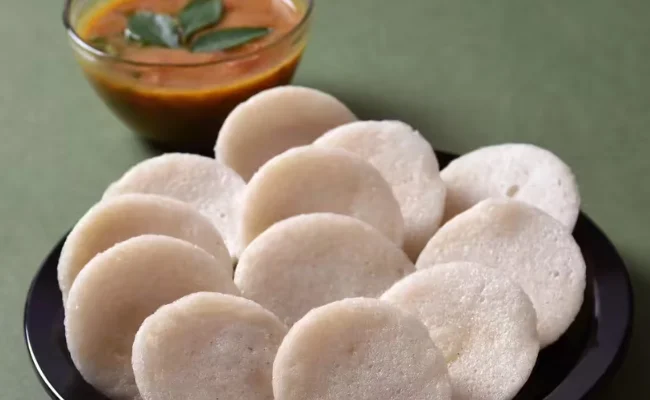
- Idli
- Dhokla
- Momos
- Steamed vegetables
- Patra
Benefits
- Lower calories
- Better nutrient retention
- Easier digestion
- Bake Instead of Deep Fry
Many fried snacks can be baked successfully.
Examples
| Traditional Snack | Healthier Alternative |
| Samosa | Baked samosa |
| Kachori | Baked kachori |
| Cutlet | Baked cutlet |
| Tikki | Air-fried tikki |
Benefit
Reduces fat intake significantly.
- Use Air Fryers
Air fryers have become popular for healthy cooking.
Foods Suitable for Air Frying
- Potato wedges
- Paneer tikka
- Vegetable cutlets
- Spring rolls
- Chicken tikka
Benefit
Uses minimal oil while maintaining crispiness.
- Increase the Use of Vegetables
Vegetables naturally add volume and nutrients.
Best Choices
- Carrot
- Beans
- Spinach
- Capsicum
- Cabbage
- Pumpkin
Nutritional Benefits
- High fiber
- Low calorie
- Rich in vitamins
- Replace Heavy Gravies with Tomato-Based Gravies
Many restaurant-style gravies contain large quantities of oil and cream.
Healthier Base Ingredients
- Tomato puree
- Onion paste
- Yogurt
- Cashew paste (in moderation)
Examples
- Low-oil paneer curry
- Tomato-based mixed vegetable curry
- Lauki curry
- Dry Roast Spices
Dry roasting enhances flavor naturally.
Commonly Roasted Spices
- Cumin
- Coriander
- Fennel
- Sesame seeds
Benefit
Improves taste without adding extra fat.
- Use Yogurt for Creaminess
Instead of excess oil or cream, use yogurt.
Suitable Dishes
- Kadhi
- Paneer curry
- Vegetable curries
- Marinades
Nutritional Benefits
- Protein
- Calcium
- Probiotics
- Reduce Oil in Tempering (Tadka)
Traditional tadkas often use excessive oil.
Low Oil Tadka Ingredients
- Mustard seeds
- Curry leaves
- Cumin
- Asafoetida (hing)
Tip
Use 1 teaspoon oil instead of several tablespoons.
- Add Protein-Rich Ingredients
Protein improves satiety and reduces overeating.
Good Sources
- Dal
- Rajma
- Chana
- Paneer
- Tofu
- Sprouts
Benefit
Keeps meals satisfying even with less oil.
- Cook with Moisture
Instead of frying vegetables, use:
- Water
- Vegetable stock
- Tomato puree
Suitable For
- Mixed vegetables
- Bhindi
- Cabbage
- Beans
Low Oil Indian Breakfast Ideas
| Dish | Cooking Method |
| Idli | Steamed |
| Vegetable Upma | Minimal oil |
| Moong Dal Chilla | Non-stick pan |
| Oats Upma | Light sauté |
| Poha | Controlled oil |
Low Oil Lunch Ideas
- Dal with brown rice
- Millet khichdi
- Vegetable pulao
- Rajma with salad
- Mixed vegetable curry with roti
Low Oil Dinner Ideas
- Vegetable soup
- Moong dal khichdi
- Paneer bhurji
- Millet dosa
- Vegetable stew
Healthy Ingredients That Add Flavor Without Oil
Herbs
- Coriander
- Mint
- Curry leaves
- Basil
Spices
- Turmeric
- Black pepper
- Cumin
- Coriander powder
- Garam masala
Natural Flavor Enhancers
- Lemon juice
- Ginger
- Garlic
- Green chillies
Common Mistakes in Low Oil Cooking
Eliminating Oil Completely
The body still needs healthy fats for nutrient absorption and hormone production.
Using Excess Refined Carbohydrates
Reducing oil does not mean replacing meals with refined foods.
Overeating Healthy Foods
Portion control remains important.
Ignoring Protein
Protein improves satiety and nutritional balance.
Depending on Packaged “Low-Fat” Foods
Many packaged products contain added sugar or sodium.
Low Oil Indian Recipes Beginners Can Try
Vegetable Poha
Uses minimal oil and plenty of vegetables.
Moong Dal Chilla
Protein-rich and filling.
Millet Khichdi
Balanced and easy to digest.
Steamed Dhokla
Traditional low-fat snack.
Vegetable Soup
Nutrient-dense and low calorie.
Practical Tips for Indian Families
Plan Weekly Meals
Meal planning reduces dependence on oily takeaway food.
Cook More at Home
Home-cooked meals offer better control over ingredients.
Keep Healthy Snacks Ready
Examples:
- Roasted chana
- Makhana
- Fruits
- Nuts
Use Smaller Kadhai and Pans
This naturally reduces oil requirements.
Read Food Labels
Watch for hidden fats in packaged foods.
Sample Low Oil Daily Meal Plan
| Meal | Food |
| Breakfast | Idli with Sambar |
| Mid-Morning | Fruit Bowl |
| Lunch | Dal, Roti, Salad |
| Evening Snack | Roasted Chana |
| Dinner | Millet Khichdi with Vegetables |
FAQs
Is low oil cooking healthy?
Yes. Moderate oil consumption combined with nutrient-rich foods can support heart health, weight management, and overall wellness.
Which oil is best for Indian cooking?
Mustard oil, groundnut oil, sesame oil, and rice bran oil are commonly used options. Variety and moderation are important.
Can food taste good with less oil?
Absolutely. Herbs, spices, lemon juice, ginger, garlic, and proper cooking techniques can provide excellent flavor.
Is an air fryer healthier than deep frying?
Generally, yes. Air frying uses significantly less oil while producing a similar texture.
How can I reduce oil in curries?
Use tomato puree, yogurt, onion paste, and slow cooking techniques instead of excessive oil.
Can low oil cooking help with weight loss?
Reducing excess oil can lower calorie intake and support weight management when combined with a balanced diet and physical activity.
Conclusion
Low oil Indian cooking is not about sacrificing flavor—it’s about making smarter choices. By using non-stick cookware, steaming, baking, air frying, increasing vegetables, controlling portion sizes, and relying on spices and herbs for flavor, you can enjoy traditional Indian meals while significantly reducing unnecessary fat intake.
Small changes such as measuring oil, using yogurt-based gravies, dry roasting spices, and choosing steamed snacks can make a meaningful difference over time. Whether your goal is weight management, heart health, diabetes control, or simply healthier eating, low oil cooking is a practical and sustainable approach for modern Indian households.
Leave a Reply