A cluttered home can make daily life feel overwhelming. Whether it’s overflowing wardrobes, crowded kitchen shelves, stacks of old papers, or unused gadgets lying around, clutter can affect your productivity, mood, and even your mental well-being.
The good news is that decluttering doesn’t require expensive organizers or a complete home makeover. With a simple plan and a few practical habits, you can create a cleaner, more organized, and stress-free home.
In this comprehensive guide, we’ll explore how to declutter your home effectively, room by room, along with actionable tips that you can start implementing today.
Why Decluttering Your Home Matters
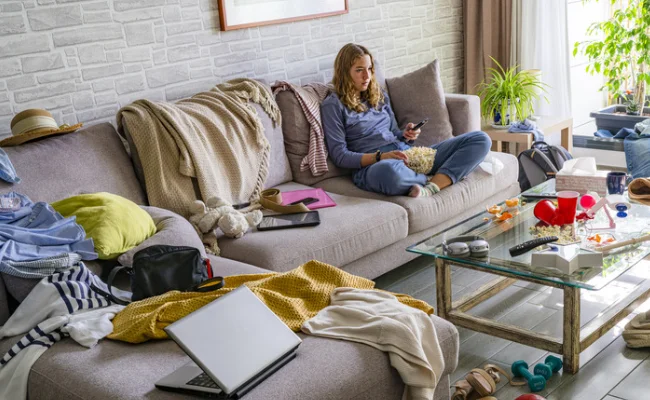
Decluttering is about more than just cleaning. It’s about creating a space that supports your lifestyle and helps you focus on what truly matters.
Benefits of a Decluttered Home
- Reduced stress and anxiety
- Easier cleaning and maintenance
- Better productivity
- More usable space
- Improved focus and mental clarity
- Better home aesthetics
- Less time spent searching for things
Even small decluttering efforts can have a noticeable impact on your daily life.
Signs Your Home Needs Decluttering
You may need to declutter if:
- You frequently lose important items.
- Storage spaces are overflowing.
- Cleaning takes longer than necessary.
- You own items you haven’t used in years.
- Your home feels crowded or chaotic.
- Shopping often leads to more clutter.
Recognizing these signs is the first step toward creating a more organized environment.
Prepare Before You Start
Decluttering becomes easier when you have a plan.
Gather Basic Supplies
- Trash bags
- Donation boxes
- Storage containers
- Labels and markers
- Cleaning cloths
Follow the Four-Box Method
Create four categories:
| Category | Purpose |
| Keep | Items you use regularly |
| Donate | Useful items you no longer need |
| Sell | Valuable items in good condition |
| Discard | Broken or unusable items |
This method simplifies decision-making during the decluttering process.
Start Small to Avoid Overwhelm
One of the biggest mistakes people make is trying to declutter the entire house in one day.
Better Approach
Focus on:
- One drawer
- One shelf
- One cupboard
- One room at a time
Small wins create momentum and keep you motivated.
Decluttering Your Living Room
The living room is often the most visible area of the home.
Common Clutter Sources
- Old magazines
- Unused décor items
- Extra cushions
- Remote controls
- Unused electronics
Quick Tips
- Keep only essential décor.
- Use baskets for small items.
- Organize wires and chargers.
- Remove broken or unused electronics.
Result
A cleaner living room feels more welcoming and spacious.
Decluttering Your Bedroom
Your bedroom should promote rest and relaxation.
Focus Areas
Wardrobes
Remove clothes that:
- No longer fit
- Haven’t been worn in a year
- Are damaged beyond repair
Bedside Tables
Keep only essentials such as:
- Reading material
- Water bottle
- Night lamp
Benefits
A clutter-free bedroom often improves sleep quality and reduces stress.
Organizing Your Wardrobe Efficiently
Wardrobes often become clutter hotspots.
Simple Rule
If you haven’t worn an item in the past 12 months, consider donating or selling it.
Organizing Tips
- Arrange clothes by category.
- Use matching hangers.
- Store seasonal clothing separately.
- Fold clothes vertically when possible.
Wardrobe Decluttering Checklist
✔ Daily wear
✔ Occasion wear
✔ Footwear
✔ Accessories
✔ Bags
✔ Winter clothing
Decluttering the Kitchen
The kitchen functions best when organized.
Remove
- Expired food items
- Duplicate utensils
- Broken containers
- Unused appliances
Organize
- Keep daily-use items accessible.
- Label storage containers.
- Group similar items together.
Example
Store spices in one dedicated section rather than spreading them across multiple shelves.
Organizing the Bathroom
Bathrooms can quickly accumulate unnecessary products.
Check For
- Expired cosmetics
- Empty bottles
- Old medicines
- Unused toiletries
Storage Ideas
- Wall-mounted shelves
- Drawer organizers
- Small baskets
A clutter-free bathroom feels cleaner and easier to maintain.
Decluttering Children’s Rooms
Children often outgrow toys, books, and clothing quickly.
Practical Tips
- Rotate toys instead of displaying everything.
- Donate unused toys.
- Use labeled storage bins.
- Encourage children to participate in organizing.
This helps teach responsibility and organization skills.
Manage Paper Clutter
Paper clutter is common in many Indian households.
Sort Documents Into Categories
- Personal identification
- Financial records
- Educational certificates
- Utility bills
- Insurance documents
Digital Solution
Scan important documents and store backup copies securely.
Benefits
Less physical clutter and easier access to important information.
Declutter Digital Spaces Too
Home organization isn’t limited to physical spaces.
Digital Decluttering Checklist
- Delete duplicate photos.
- Remove unused apps.
- Organize computer files.
- Unsubscribe from unwanted emails.
A cleaner digital environment improves productivity.
Follow the One-In, One-Out Rule
This simple habit prevents future clutter.
How It Works
Whenever you buy:
- One new shirt → donate one old shirt
- One new gadget → remove an unused gadget
This keeps possessions under control.
Create Storage Zones
Every item should have a designated place.
Examples
| Item | Storage Zone |
| Keys | Entry table |
| Bills | Document folder |
| Toys | Storage basket |
| Chargers | Drawer organizer |
| Cleaning supplies | Utility cabinet |
Storage zones reduce daily mess and make cleanup easier.
Avoid Common Decluttering Mistakes
Keeping Items “Just in Case”
Most of these items are rarely used.
Buying Organizers Too Early
Declutter first, organize later.
Trying to Be Perfect
Progress is more important than perfection.
Keeping Sentimental Items Without Limits
Select a few meaningful items instead of keeping everything.
A Simple 7-Day Home Decluttering Challenge
Day 1
Declutter one drawer.
Day 2
Organize your wardrobe.
Day 3
Clean kitchen shelves.
Day 4
Declutter the bathroom.
Day 5
Sort paperwork.
Day 6
Organize digital files.
Day 7
Review and maintain your progress.
This challenge helps create visible results within a week.
Maintenance Tips for a Clutter-Free Home
Spend 10 Minutes Daily Tidying Up
Small daily efforts prevent clutter from returning.
Schedule Monthly Reviews
Check wardrobes, storage areas, and shelves regularly.
Donate Regularly
Items that no longer serve a purpose can benefit others.
Shop Mindfully
Ask yourself:
“Do I really need this?”
before making purchases.
Decluttering Benefits at a Glance
| Area | Benefit |
| Living Room | More space and comfort |
| Bedroom | Better sleep quality |
| Kitchen | Easier meal preparation |
| Bathroom | Cleaner environment |
| Digital Space | Better productivity |
| Wardrobe | Faster outfit selection |
Frequently Asked Questions (FAQs)
How often should I declutter my home?
A major decluttering session every six months and small monthly reviews work well for most households.
What is the easiest room to start decluttering?
A bedroom drawer, wardrobe section, or bathroom cabinet is usually a good starting point.
Should I throw away everything I don’t use?
Not necessarily. Consider donating, selling, or recycling items that are still useful.
How long does home decluttering take?
The time varies based on the size of the home and the amount of clutter. Most people see noticeable results within a few days of focused effort.
How can I stop clutter from coming back?
Follow habits such as the one-in, one-out rule, regular tidying, and mindful shopping.
Conclusion
Decluttering your home is one of the simplest ways to improve your living environment, reduce stress, and create a more organized lifestyle. You don’t need expensive storage systems or a complete home renovation to make a difference. By starting small, focusing on one area at a time, and building simple organizational habits, you can transform your home into a cleaner, more peaceful space.
Remember, decluttering is not about getting rid of everything—it’s about keeping what adds value to your life and creating room for what truly matters.
Leave a Reply