In today’s connected world, smartphones, laptops, tablets, and social media have become an essential part of daily life. Whether it’s work, education, entertainment, shopping, or communication, most of us spend several hours a day looking at screens.
While technology offers many benefits, excessive screen time can also affect our physical health, mental well-being, productivity, and relationships. This is where a digital detox can help.
A digital detox doesn’t mean completely abandoning technology. Instead, it involves intentionally reducing screen time to create a healthier balance between the online and offline world.
In this guide, we’ll explore the benefits of a digital detox, signs that you may need one, and practical ways to disconnect without disrupting your daily routine.
What Is a Digital Detox?
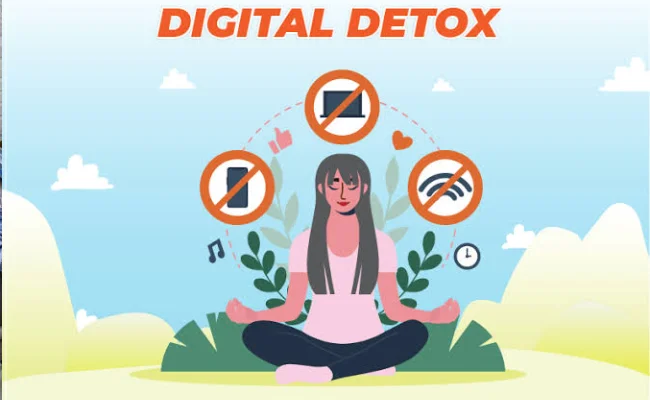
A digital detox is a period during which a person reduces or avoids the use of digital devices such as:
- Smartphones
- Tablets
- Laptops
- Computers
- Smart TVs
- Social media platforms
The goal is to reduce digital overload and spend more time focusing on real-life activities, relationships, and personal well-being.
Why Digital Detox Matters Today
According to various studies, the average person spends several hours daily on screens. Much of this time is spent scrolling social media, watching videos, checking notifications, or switching between apps.
Common Problems Caused by Excessive Screen Time
- Eye strain
- Poor sleep quality
- Reduced concentration
- Increased stress
- Lower productivity
- Social isolation
- Mental fatigue
Taking regular breaks from technology can help counter these effects.
Top Benefits of a Digital Detox
Improved Mental Health
Constant notifications, endless scrolling, and information overload can leave people feeling overwhelmed.
How a Digital Detox Helps
- Reduces stress levels
- Lowers anxiety
- Improves emotional well-being
- Creates mental clarity
Many people report feeling calmer and more focused after reducing screen time.
Better Sleep Quality
One of the biggest benefits of a digital detox is improved sleep.
Why Screens Affect Sleep
Devices emit blue light, which can interfere with melatonin production—the hormone responsible for regulating sleep.
Better Habit
Avoid screens for at least 30–60 minutes before bedtime.
Result
- Faster sleep onset
- Better sleep quality
- Improved morning energy
Increased Productivity
Digital distractions can significantly reduce efficiency.
Common Productivity Killers
- Constant notifications
- Social media browsing
- Frequent app switching
- Unnecessary messaging
Benefit of Digital Detox
You can focus better on:
- Work
- Studies
- Personal projects
- Skill development
Even reducing screen distractions for a few hours daily can improve productivity.
Improved Focus and Concentration
Modern apps are designed to capture attention.
Signs of Reduced Focus
- Difficulty completing tasks
- Constant urge to check your phone
- Short attention span
Digital Detox Benefit
By limiting distractions, your brain can regain its ability to focus for longer periods.
Better Physical Health
Excessive screen use often leads to a sedentary lifestyle.
Common Physical Issues
- Neck pain
- Back pain
- Eye strain
- Headaches
- Poor posture
During a Digital Detox
People often spend more time:
- Walking
- Exercising
- Stretching
- Engaging in outdoor activities
These habits contribute to better overall health.
Stronger Relationships
Technology can sometimes interfere with real-life interactions.
Example
A family dinner where everyone is looking at their phones instead of talking.
Digital Detox Benefit
Less screen time often leads to:
- Better conversations
- More family bonding
- Improved friendships
- Stronger emotional connections
More Time for Meaningful Activities
Many people underestimate how much time they spend online.
What You Can Do Instead
- Read books
- Learn new skills
- Exercise
- Pursue hobbies
- Spend time outdoors
- Volunteer
A digital detox creates space for activities that add value to life.
Increased Mindfulness
Constant digital stimulation can make it difficult to stay present.
Benefits of Being Present
- Better emotional awareness
- Reduced stress
- Greater appreciation of daily experiences
Digital detoxing encourages mindful living.
Signs You May Need a Digital Detox
You may benefit from a digital detox if:
- You check your phone immediately after waking up.
- You feel anxious without your device.
- Social media affects your mood.
- You struggle to focus on tasks.
- You stay up late scrolling online.
- You frequently experience eye strain or headaches.
- You spend more time online than intended.
Recognizing these signs can help you take action before digital habits negatively affect your well-being.
Easy Ways to Start a Digital Detox
Turn Off Non-Essential Notifications
Not every app needs your immediate attention.
Keep Only Important Alerts
- Calls
- Messages from family
- Essential work notifications
This simple change can significantly reduce distractions.
Create Phone-Free Zones
Designate certain spaces where devices are not allowed.
Examples
- Dining table
- Bedroom
- Prayer room
- Study area
This encourages healthier habits and more meaningful interactions.
Set Daily Screen Time Limits
Most smartphones offer built-in screen-time tracking tools.
Start Small
Reduce usage by:
- 15 minutes per day
- 30 minutes per day
- One hour per day
Gradual changes are easier to maintain.
Schedule Social Media Time
Instead of checking social media throughout the day:
Try This
- Morning: 15 minutes
- Afternoon: 15 minutes
- Evening: 15 minutes
Intentional usage prevents mindless scrolling.
Take Regular Screen Breaks
Follow the 20-20-20 rule.
Rule
Every 20 minutes:
Look at something 20 feet away for 20 seconds.
Benefit
Reduces eye strain and mental fatigue.
Replace Screen Time with Healthy Activities
When reducing screen use, replace it with something meaningful.
Ideas
- Reading
- Journaling
- Gardening
- Cooking
- Walking
- Meditation
Replacing rather than simply removing habits often leads to better results.
Digital Detox Challenge: 7-Day Plan
Day 1
Track your screen time.
Day 2
Turn off unnecessary notifications.
Day 3
Avoid phone use during meals.
Day 4
Create a phone-free bedroom.
Day 5
Spend one hour outdoors without devices.
Day 6
Take a social media break for half a day.
Day 7
Reflect on how you feel and set long-term goals.
This challenge can help you build healthier technology habits gradually.
Digital Detox Benefits at a Glance
| Benefit | Impact |
| Better sleep | Improved recovery and energy |
| Reduced stress | Better emotional health |
| Increased productivity | Better work and study performance |
| Improved focus | Stronger concentration |
| Better relationships | More meaningful interactions |
| Better physical health | Reduced screen-related discomfort |
| More free time | Increased personal growth |
Common Digital Detox Mistakes
Going Completely Offline Immediately
Drastic changes can be difficult to sustain.
Not Replacing Screen Time
Without alternative activities, old habits often return.
Ignoring Work Requirements
A digital detox should support your lifestyle, not interfere with important responsibilities.
Expecting Instant Results
Benefits often build gradually over days and weeks.
Frequently Asked Questions (FAQs)
What is a digital detox?
A digital detox is a deliberate reduction in the use of digital devices and online platforms to improve mental, physical, and emotional well-being.
How long should a digital detox last?
It can range from a few hours daily to a full weekend. Even short breaks from screens can provide noticeable benefits.
Can a digital detox improve sleep?
Yes. Reducing screen exposure before bedtime can help improve sleep quality and make it easier to fall asleep.
Is social media the main focus of a digital detox?
Social media is often a major part of digital detoxing, but reducing overall screen time is equally important.
What should I do instead of using my phone?
Reading, exercising, spending time with family, pursuing hobbies, journaling, and outdoor activities are excellent alternatives.
Conclusion
Technology is an important part of modern life, but maintaining a healthy balance is essential. A digital detox doesn’t require giving up your smartphone or disconnecting completely. Instead, it’s about using technology more intentionally and creating space for activities that improve your health, relationships, productivity, and overall happiness.
Start with small changes such as reducing notifications, creating phone-free zones, or limiting screen time before bed. Over time, these simple habits can help you enjoy the many benefits of a digital detox and develop a healthier relationship with technology.
Leave a Reply