Millets have emerged as one of the most promising sectors in India’s agriculture and food processing industry. Once considered a traditional grain consumed mainly in rural areas, millets are now gaining popularity among health-conscious consumers, fitness enthusiasts, and urban households.
The growing demand for healthy foods, government support, export opportunities, and increasing awareness about sustainable agriculture have created numerous millet business opportunities for farmers, startups, food processors, and entrepreneurs.
Whether you want to start millet farming, processing, packaging, wholesale trading, or a millet-based food brand, this guide will help you understand the opportunities, investment requirements, profit potential, and future growth prospects.
Why Millets Are Becoming a Big Business in India
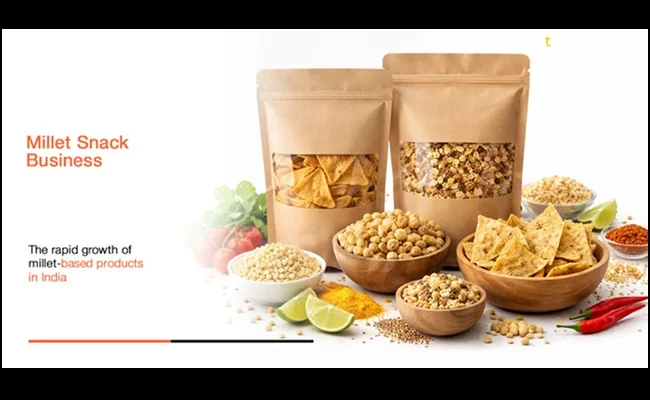
Millets are often called “super grains” because of their nutritional value and climate resilience.
Key Reasons Behind Growing Demand
- Rising health awareness
- Demand for gluten-free foods
- Growing diabetic population
- Increasing fitness culture
- Government promotion of millets
- Sustainable farming advantages
- Export market growth
Consumers are increasingly replacing refined grains with healthier alternatives such as millets.
Popular Types of Millets in India
Understanding different millet varieties helps identify business opportunities.
| Millet | Common Name |
| Pearl Millet | Bajra |
| Finger Millet | Ragi |
| Sorghum | Jowar |
| Foxtail Millet | Kangni |
| Little Millet | Kutki |
| Barnyard Millet | Sanwa |
| Kodo Millet | Kodo |
| Proso Millet | Cheena |
Each variety serves different consumer segments and food applications.
Market Potential of Millets in India
The millet market has expanded significantly in recent years.
Growth Drivers
- Increased retail availability
- Growing e-commerce sales
- Demand from health food brands
- Government awareness campaigns
- Rising export demand
- Expansion of organic food markets
Millets are now commonly found in supermarkets, health stores, and online grocery platforms.
Top Millet Business Opportunities in India
- Millet Farming Business
The most basic entry point is millet cultivation.
Advantages
- Lower water requirement
- Climate resilience
- Lower cultivation costs
- Government support
Suitable States
- Rajasthan
- Karnataka
- Maharashtra
- Telangana
- Andhra Pradesh
- Tamil Nadu
- Madhya Pradesh
Investment
Relatively lower compared to many commercial crops.
- Millet Processing Business
Processing converts raw millets into consumer-ready products.
Products
- Cleaned millets
- Dehulled millets
- Millet flour
- Packaged grains
Benefits
- Higher profit margins
- Strong market demand
- Scalability
Investment
₹5 lakh to ₹50 lakh depending on capacity.
- Millet Flour Manufacturing
Millet flour is increasingly used for:
- Rotis
- Bread
- Cakes
- Healthy snacks
Popular Flours
- Ragi flour
- Bajra flour
- Jowar flour
- Multi-millet flour
Profit Potential
Good margins due to value addition.
- Millet-Based Food Products
This segment is growing rapidly.
Product Ideas
- Millet cookies
- Millet noodles
- Millet pasta
- Millet snacks
- Millet breakfast cereals
- Millet energy bars
Advantages
- Premium pricing
- Growing urban demand
- Millet Packaging and Branding Business
Instead of processing, entrepreneurs can source processed millets and sell them under their own brand.
Benefits
- Lower investment
- Easier operations
- Strong branding opportunities
Suitable For
- Startups
- Small entrepreneurs
- Online sellers
- Millet Wholesale Business
Wholesalers supply:
- Retailers
- Supermarkets
- Food processors
- Restaurants
Investment
₹3 lakh to ₹25 lakh+
Advantages
- Large sales volumes
- Repeat orders
- Organic Millet Business
Organic millets attract health-conscious consumers.
Market Demand
Growing rapidly in urban areas.
Benefits
- Premium pricing
- Export opportunities
- Millet Export Business
Indian millets are increasingly exported worldwide.
Major Export Markets
- United States
- Canada
- Germany
- Australia
- United Arab Emirates
- United Kingdom
High-Demand Products
- Organic millets
- Millet flour
- Processed millet foods
Comparison of Millet Business Opportunities
| Business Type | Investment | Profit Potential | Complexity |
| Millet Farming | Low | Moderate | Low |
| Processing Unit | Medium | High | Moderate |
| Flour Manufacturing | Medium | High | Moderate |
| Packaged Millet Brand | Medium | High | Moderate |
| Wholesale Trading | Medium | Moderate | Low |
| Export Business | Medium to High | Very High | High |
| Millet Snacks Brand | Medium | Very High | Moderate |
Investment Requirements
Small-Scale Millet Business
| Expense | Estimated Cost |
| Raw Materials | ₹50,000 – ₹2 lakh |
| Packaging | ₹20,000 – ₹1 lakh |
| Marketing | ₹20,000 – ₹2 lakh |
| Equipment | ₹1 lakh – ₹5 lakh |
| Working Capital | ₹1 lakh – ₹3 lakh |
Total Investment
Approximately ₹2 lakh to ₹10 lakh.
Medium-Scale Processing Unit
Investment may range between ₹15 lakh and ₹1 crore depending on automation levels.
Profit Margins in Millet Businesses
Profitability varies by business model.
| Business Type | Approximate Margin |
| Raw Millet Trading | 5% – 15% |
| Millet Flour | 15% – 35% |
| Packaged Millets | 20% – 40% |
| Organic Millets | 25% – 50% |
| Millet Snacks | 30% – 60% |
| Export Products | 20% – 50% |
Value-added products typically generate the highest returns.
Licenses and Registrations
FSSAI License
Required for food products.
GST Registration
Necessary for most businesses.
Udyam Registration
Provides MSME benefits.
Trade License
May be required locally.
Import Export Code (IEC)
Required for exports.
Marketing Strategies
Create a Health-Focused Brand
Consumers buy millets primarily for health benefits.
Highlight
- High fiber content
- Gluten-free nature
- Nutritional benefits
- Traditional Indian grains
Sell Through E-Commerce
Popular channels include:
- Own website
- Online marketplaces
- Social commerce
Partner with Retailers
Target:
- Organic stores
- Health food stores
- Supermarkets
Educational Marketing
Many consumers still need guidance on millet consumption.
Content Ideas
- Recipes
- Nutrition tips
- Health benefits
- Cooking tutorials
Challenges in the Millet Industry
Consumer Awareness
Many consumers are still unfamiliar with certain millet varieties.
Solution
Focus on education-based marketing.
Supply Consistency
Quality and availability can vary.
Solution
Build relationships with farmers and cooperatives.
Competition
More brands are entering the market.
Solution
Differentiate through quality and innovation.
Shelf Life Management
Processed products require proper packaging.
Solution
Invest in quality packaging materials.
Future Trends in Millet Business
Several trends indicate strong long-term growth.
Ready-to-Eat Millet Foods
Convenience products are gaining popularity.
Organic Millets
Demand continues to increase.
Millet-Based Snacks
Healthy snacking is a fast-growing category.
International Expansion
Export demand is rising steadily.
Premium Branding
Consumers are willing to pay more for trusted brands.
Example Business Plan
Small Millet Flour Brand
Initial Investment
| Item | Cost |
| Flour Processing | ₹2,00,000 |
| Packaging | ₹50,000 |
| Branding | ₹50,000 |
| Marketing | ₹1,00,000 |
| Working Capital | ₹1,00,000 |
| Total | ₹5,00,000 |
Potential Monthly Revenue
₹1 lakh to ₹5 lakh depending on distribution and demand.
Tips for Success
Start with a Niche
Focus on one millet category initially.
Build a Strong Brand
Health-conscious consumers value trust.
Invest in Packaging
Packaging significantly influences buying decisions.
Offer Recipes
Help consumers learn how to use millets.
Create Value-Added Products
Processing improves margins.
Leverage Digital Marketing
Content marketing works particularly well in the health food sector.
Frequently Asked Questions (FAQs)
Is the millet business profitable in India?
Yes. Growing health awareness and government support are creating significant opportunities across farming, processing, and branded food segments.
Which millet business is most profitable?
Value-added businesses such as millet snacks, packaged foods, organic millets, and exports often provide the highest profit margins.
How much investment is required?
A small millet business can start with ₹2 lakh to ₹10 lakh, while larger processing units may require significantly more capital.
Can millets be exported?
Yes. Indian millets have growing demand in North America, Europe, Australia, and the Middle East.
Which millet is most popular?
Ragi, Bajra, and Jowar are among the most widely consumed millets in India.
Is organic millet farming profitable?
Organic millets often command premium prices and can offer attractive returns when marketed effectively.
Conclusion
Millets are transforming from traditional grains into a modern health-food category with immense business potential. From farming and processing to packaging, exports, and innovative food products, entrepreneurs have multiple ways to participate in this rapidly growing industry.
The biggest opportunities lie in value-added products such as millet flour, ready-to-eat snacks, breakfast cereals, and organic packaged millets. With increasing consumer awareness, government support, and global demand for healthy foods, the millet business is positioned for strong growth in India over the coming years.
Entrepreneurs who focus on quality, branding, consumer education, and product innovation can build highly profitable and sustainable businesses in India’s expanding millet ecosystem.
Leave a Reply