Millets have made a remarkable comeback in Indian kitchens, and for good reason. Once considered traditional grains used by our grandparents, millets are now recognized as superfoods due to their impressive nutritional profile. Rich in fiber, protein, vitamins, minerals, and antioxidants, millets can be an excellent addition to a healthy diet.
If you’re new to millets, starting with simple and tasty recipes is the best approach. This guide covers beginner-friendly millet recipes, their nutritional benefits, preparation tips, variations, and practical advice for Indian households.
What Are Millets?
Millets are small-seeded cereal grains that grow well in dry climates and require less water than rice and wheat. They are naturally gluten-free and packed with nutrients.
Common Types of Millets in India
| Millet | Hindi Name | Key Nutrients |
| Pearl Millet | Bajra | Iron, Fiber |
| Finger Millet | Ragi | Calcium |
| Sorghum | Jowar | Protein, Fiber |
| Foxtail Millet | Kangni | Protein, Minerals |
| Little Millet | Kutki | Fiber |
| Barnyard Millet | Sanwa | Low Glycemic Index |
| Kodo Millet | Kodra | Antioxidants |
Why Beginners Should Include Millets in Their Diet
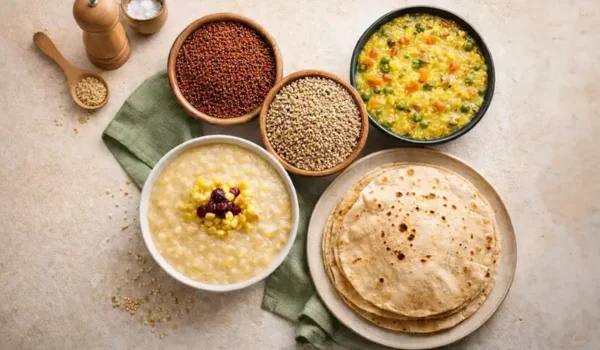
Health Benefits of Millets
- High dietary fiber
- Better digestion
- Long-lasting satiety
- Supports weight management
- Helps regulate blood sugar levels
- Rich source of minerals
- Naturally gluten-free
- Heart-friendly grain option
Tips Before Cooking Millets
- Wash Thoroughly
Rinse millets 2–3 times to remove dust and impurities.
- Soak Before Cooking
Soaking for 2–4 hours improves digestion and cooking time.
- Start Small
Replace only 25–30% of your rice or wheat initially.
- Use More Water
Most millets absorb more water than rice.
- Foxtail Millet Upma
A perfect breakfast recipe for beginners.
Ingredients
- 1 cup foxtail millet
- 2 cups water
- 1 onion chopped
- 1 carrot chopped
- ½ cup peas
- Curry leaves
- Mustard seeds
- Green chilli
- Salt
- 1 tsp oil
Method
- Dry roast millet for 2 minutes.
- Heat oil and add mustard seeds.
- Add vegetables and sauté.
- Add water and bring to a boil.
- Add millet and cook for 12–15 minutes.
Nutritional Benefits
- High fiber breakfast
- Sustained energy release
- Rich in vitamins and minerals
Variations
- Peanut millet upma
- Vegetable-loaded upma
- South Indian style millet upma
- Ragi Dosa
One of the easiest millet recipes for beginners.
Ingredients
- 1 cup ragi flour
- ½ cup rice flour
- 1 chopped onion
- Coriander leaves
- Salt
- Water
Method
- Mix all ingredients into a thin batter.
- Pour onto a hot tawa.
- Cook until crispy.
Nutritional Benefits
- Rich in calcium
- Supports bone health
- Good source of fiber
Variations
- Masala ragi dosa
- Cheese ragi dosa
- Vegetable ragi dosa
- Millet Vegetable Khichdi
A comforting one-pot meal.
Ingredients
- 1 cup little millet
- ½ cup moong dal
- Mixed vegetables
- Turmeric
- Cumin
- Salt
Method
- Wash millet and dal.
- Add all ingredients to a pressure cooker.
- Cook for 3 whistles.
Nutritional Benefits
- Complete meal
- Good protein-fiber combination
- Easy to digest
Variations
- Bajra khichdi
- Foxtail millet khichdi
- Paneer millet khichdi
- Bajra Vegetable Porridge
Ideal for breakfast or light dinner.
Ingredients
- Bajra flour
- Water
- Mixed vegetables
- Salt
- Black pepper
Method
- Cook bajra flour in water.
- Add vegetables.
- Stir continuously until thick.
Nutritional Benefits
- Rich in iron
- Filling meal
- Supports digestive health
Variations
- Tomato bajra porridge
- Mixed vegetable porridge
- Spiced millet porridge
- Jowar Vegetable Roti
A nutritious alternative to wheat roti.
Ingredients
- Jowar flour
- Warm water
- Salt
Method
- Knead dough using warm water.
- Roll carefully.
- Cook on hot tawa.
Nutritional Benefits
- Gluten-free option
- High fiber
- Better digestion
Variations
- Methi jowar roti
- Spinach jowar roti
- Mixed millet roti
- Millet Lemon Rice
Perfect for office lunch boxes.
Ingredients
- Cooked barnyard millet
- Curry leaves
- Mustard seeds
- Peanuts
- Lemon juice
- Turmeric
Method
- Cook millet separately.
- Prepare tempering.
- Mix lemon juice and millet.
Nutritional Benefits
- Light yet filling
- Rich in antioxidants
- Travel-friendly meal
Variations
- Coconut millet rice
- Tamarind millet rice
- Vegetable millet rice
- Millet Poha
A healthier twist on traditional poha.
Ingredients
- Millet flakes
- Onion
- Peanuts
- Curry leaves
- Turmeric
- Lemon juice
Method
- Rinse millet flakes.
- Prepare tempering.
- Mix and cook for 3–4 minutes.
Nutritional Benefits
- Low-fat breakfast
- Rich in fiber
- Easy digestion
Variations
- Vegetable millet poha
- Sprouts millet poha
- Corn millet poha
- Ragi Banana Pancakes
A healthy snack for children and adults.
Ingredients
- Ragi flour
- Mashed banana
- Milk
- Cardamom powder
Method
- Mix ingredients into batter.
- Cook like pancakes.
- Serve warm.
Nutritional Benefits
- Calcium-rich
- Natural sweetness
- Good for growing children
Variations
- Honey ragi pancakes
- Dry fruit pancakes
- Chocolate ragi pancakes
- Millet Salad Bowl
A modern and nutritious lunch option.
Ingredients
- Cooked millet
- Cucumber
- Tomato
- Corn
- Bell peppers
- Lemon dressing
Method
- Cook millet and cool completely.
- Mix vegetables.
- Toss with dressing.
Nutritional Benefits
- High fiber
- Weight-loss friendly
- Rich in vitamins
Variations
- Paneer millet salad
- Chickpea millet salad
- Mediterranean millet salad
- Millet Kheer
A healthier festive dessert.
Ingredients
- Little millet
- Milk
- Cardamom
- Nuts
- Jaggery
Method
- Cook millet until soft.
- Add milk and jaggery.
- Garnish with nuts.
Nutritional Benefits
- Better alternative to refined desserts
- Provides minerals and energy
- Naturally flavorful
Variations
- Ragi kheer
- Bajra kheer
- Dry fruit millet kheer
Beginner-Friendly Weekly Millet Meal Plan
| Day | Recipe |
| Monday | Millet Upma |
| Tuesday | Ragi Dosa |
| Wednesday | Millet Khichdi |
| Thursday | Jowar Roti |
| Friday | Millet Lemon Rice |
| Saturday | Millet Salad |
| Sunday | Millet Kheer |
Common Mistakes Beginners Should Avoid
Overcooking Millets
This can make them mushy and affect texture.
Not Soaking
Soaking improves digestibility and cooking quality.
Switching Completely Overnight
Gradually replace rice and wheat.
Using Too Little Water
Different millets require different water ratios.
Ignoring Flavor Enhancers
Use herbs, spices, lemon, and vegetables for better taste.
Which Millet Is Best for Beginners?
| Goal | Recommended Millet |
| Weight Loss | Foxtail Millet |
| Diabetes Management | Barnyard Millet |
| Bone Health | Ragi |
| High Iron Intake | Bajra |
| Everyday Cooking | Little Millet |
| Gluten-Free Diet | Jowar |
Practical Tips for Indian Families
- Start with millet upma or khichdi.
- Mix millet with rice initially.
- Use seasonal vegetables.
- Store millets in airtight containers.
- Experiment with regional recipes.
- Pack millet dishes for office lunches.
- Introduce sweet millet recipes for children.
FAQs
Are millets better than rice?
Millets generally contain more fiber, protein, and minerals than polished white rice, making them a nutritious alternative.
Can I eat millet daily?
Yes, millets can be part of a balanced daily diet when combined with vegetables, protein sources, and healthy fats.
Which millet cooks fastest?
Little millet and foxtail millet typically cook faster and are ideal for beginners.
Are millets good for weight loss?
Yes. Their high fiber content helps improve satiety and reduce overeating.
Can children eat millet recipes?
Absolutely. Ragi, jowar, and foxtail millet recipes can be nutritious options for growing children.
Do millets cause digestion issues?
When introduced gradually and soaked properly before cooking, most people digest millets comfortably.
Conclusion
Millets are one of India’s most nutritious traditional foods and deserve a regular place in modern diets. For beginners, recipes such as millet upma, ragi dosa, millet khichdi, jowar roti, and millet salad provide an easy and delicious introduction to these wholesome grains. By starting with simple recipes and gradually experimenting with different varieties, you can enjoy the health benefits of millets while adding variety to your daily meals. Whether your goal is weight management, better digestion, improved nutrition, or simply healthier eating, millets offer a practical and sustainable solution for Indian households.
Leave a Reply